If you’re running a business in Canada, keeping good records isn’t just a best practice—it’s a requirement.
Many business owners focus on sales, customers, and growth, but poor record keeping can create major problems at tax time and can become even more stressful if the Canada Revenue Agency (CRA) requests supporting documentation.
The good news is that staying compliant is often much simpler than people think.
Why Record Keeping Matters
The CRA requires businesses to maintain records that support the income they report and the expenses they claim.
Without proper documentation, deductions can be denied, taxes can be reassessed, and penalties may apply.
Good records also help business owners:
- Understand profitability
- Track cash flow
- Prepare tax returns accurately
- Make informed business decisions
- Reduce stress during tax season
Records Every Business Should Keep
Sales Records
You should maintain records of all income earned by the business, including:
- Sales invoices
- Customer receipts
- Point-of-sale reports
- Deposit records
- Online sales reports
The CRA expects businesses to be able to verify where their revenue came from.
Expense Receipts
If you claim a business expense, you should keep documentation supporting it.
Examples include:
- Supplier invoices
- Purchase receipts
- Credit card receipts
- Subscription invoices
- Utility bills
No receipt often means no deduction.
Bank Statements
Business bank account statements provide an important record of money entering and leaving your business.
They should be retained even if transactions are also recorded elsewhere.
Credit Card Statements
Business credit card statements help support purchases and provide additional documentation when matching expenses to receipts.
Payroll Records
If you have employees, you should maintain:
- Payroll reports
- Employee information
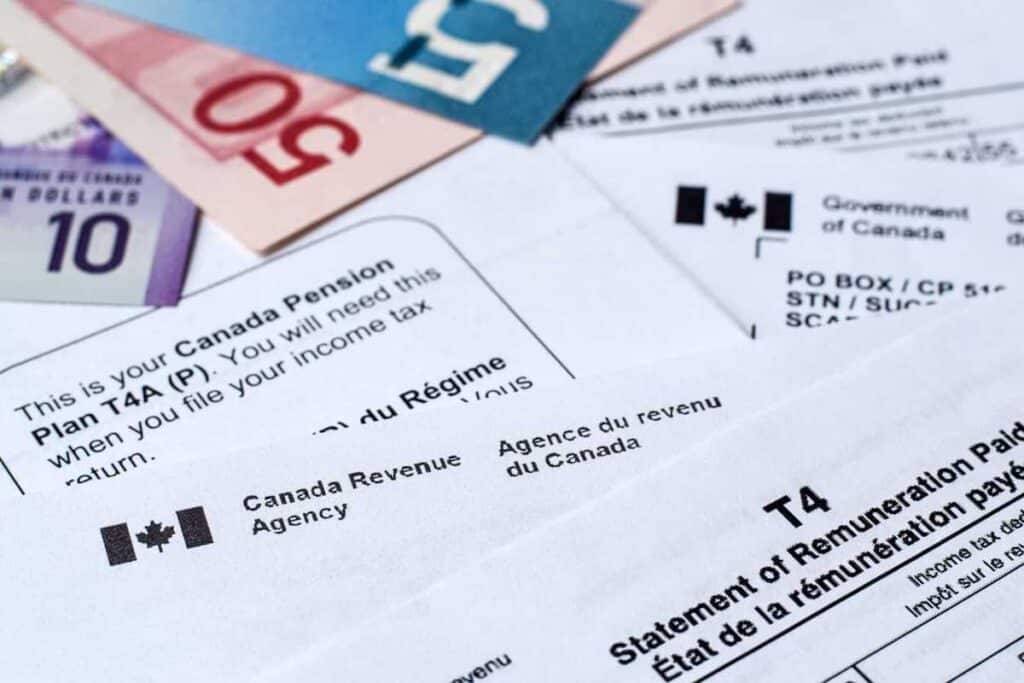
- T4 slips
- Pay stubs
- Source deduction records
GST/HST Records
Businesses registered for GST/HST should keep:
- Sales tax collected
- Input tax credit documentation
- GST/HST returns
- Supporting invoices
Vehicle Mileage Logs
If you claim vehicle expenses, the CRA expects you to track business mileage.
A mileage log should include:
- Date
- Destination
- Business purpose
- Distance travelled
Without a mileage log, vehicle expense claims may be difficult to support.
Home Office Records
If you work from home and claim home office expenses, keep documentation related to:
- Utilities
- Property taxes
- Rent
- Mortgage interest
- Internet costs
You should also maintain records showing how your business-use percentage was calculated.
How Long Do You Need to Keep Records?
In most cases, the CRA requires businesses to keep records for at least six years from the end of the tax year they relate to.
This applies whether records are kept electronically or in paper form.
Can Records Be Digital?
Yes.
The CRA accepts electronic records as long as they are complete, accurate, and accessible if requested.
Many businesses now store:
- Receipts
- Invoices
- Statements
- Contracts
using cloud-based accounting and document management systems.
Common Record Keeping Mistakes
Some of the most common issues include:
- Throwing away receipts
- Mixing personal and business expenses
- Failing to track mileage
- Missing invoices
- Not reconciling bank accounts regularly
These mistakes can create bookkeeping problems and increase risk if the CRA requests documentation.
The Easiest Way to Stay Organized
The best approach is to keep records throughout the year rather than scrambling at tax time.
Using accounting software and maintaining separate business bank accounts can make record keeping significantly easier and help ensure nothing is missed.
Final Thoughts
Keeping accurate records is one of the most important responsibilities of running a business. It helps you stay compliant with CRA requirements, supports your tax deductions, and gives you a clear picture of your financial position.
The businesses that stay organized throughout the year typically spend less time dealing with bookkeeping issues and have a much easier tax season.
Need Help Keeping Your Records Organized?
At Pivot Bookkeeping, we help Halifax business owners stay on top of their bookkeeping, maintain organized records, and ensure they are prepared for tax season year-round.
If you’re unsure whether your record keeping system is CRA-compliant, we’d be happy to help.