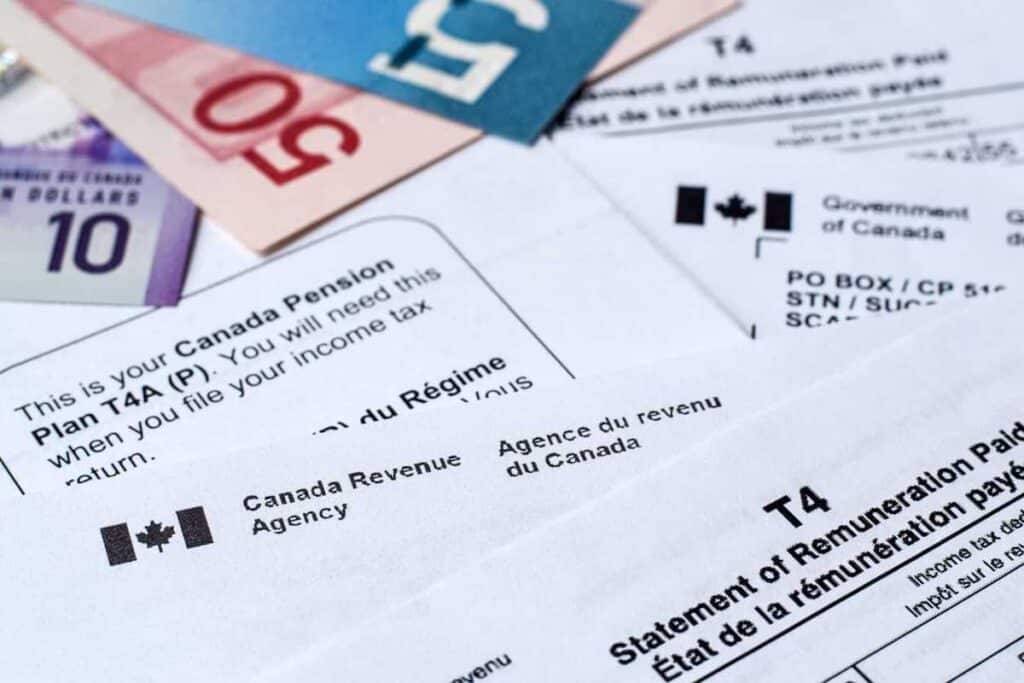
Navigating Tax Implications of Remote Work
As remote work becomes more common, especially across provincial and even international borders, understanding the tax implications has become increasingly important. Whether you’re an employee working from home or a business managing a remote team, knowing the tax rules can help you avoid costly surprises.
🧾 1. Home Office Deductions (Canada)
If you work from home, you may be eligible to claim home office expenses—but the rules differ depending on whether you’re self-employed or an employee.
Employees: You can claim a portion of expenses like utilities, rent, and internet, but only if your employer requires you to work from home and provides a T2200 or T2200S form.
Self-employed individuals: You’re eligible for broader deductions, including a portion of property taxes, maintenance, and even mortgage interest, if your home office is your primary place of business.
Key Tip: Only claim the portion of your home used for work, based on square footage or time of use.
🌎 2. Working Across Provinces or Countries
Working remotely from a different province or country than your employer can complicate tax filings.
Provincial tax rates: You’re taxed based on your province of residence on December 31st. If you move mid-year, your income may be taxed at a higher or lower rate depending on where you move.
International remote work: You may be subject to double taxation, depending on where you live and where the company is located. A tax treaty between Canada and the foreign country may offer relief, but it requires planning.
Key Tip: Notify your employer and consult a tax advisor if you plan to work remotely outside your province or country.
💼 3. Employer Considerations
If your business has remote employees or contractors in other provinces or countries, there are compliance steps to consider:
Payroll obligations: You may need to register and remit taxes in the employee’s jurisdiction.
Nexus risks: Having a remote worker in a different province or country could create a “permanent establishment,” exposing your business to new tax filings and rules.
Key Tip: Speak with a payroll or tax specialist before hiring out-of-province or out-of-country workers.
🧠 4. Common Mistakes to Avoid
-
Assuming you can write off 100% of internet or rent
-
Forgetting to factor in currency conversion for foreign income
-
Not informing your employer or CRA of your change in tax residence
-
Ignoring tax filing requirements in both countries when working abroad
✅ 5. Best Practices for Remote Workers
-
Track your work-related expenses year-round
-
Keep a dedicated workspace if you want to claim the home office deduction
-
Consult a professional tax preparer or bookkeeper who understands cross-border and remote work tax rules
-
Ensure your address and tax residency status is current with the CRA
Final Thoughts
Remote work offers flexibility—but with that freedom comes added tax complexity. Whether you’re an employee, freelancer, or business owner, staying informed and organized is the key to avoiding issues at tax time.
Need help navigating your remote work tax situation? 📞 Contact us at Pivot Bookkeeping—we’re here to help!